

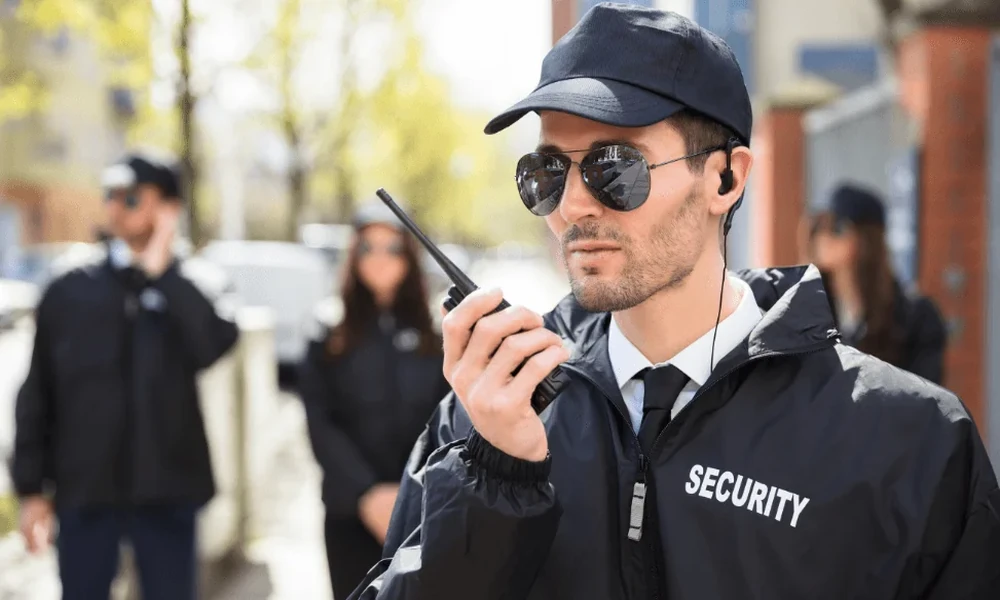
Unwanted activity becomes harder when trained personnel remain visible onsite. A professional guard can monitor entrances, observe unusual behavior, and respond before minor concerns escalate. For properties seeking structured protection, https://www.hammerheadsecurity.com/florida/ provides relevant information for planning. Guard placement also matters. A visible presence can influence behavior before direct intervention becomes necessary.
Visible Guards Create Immediate Awareness
A uniformed guard changes how an area feels. Regular patrols keep attention focused on access points. Visitors recognize controlled entry more easily. This presence can discourage trespassing, theft, or disruptive conduct. Beyond appearance, observation creates an active security layer.
Patrol Routes Cover Critical Areas
Effective patrols follow defined routes across vulnerable sections. Entry doors, parking areas, loading zones, and restricted rooms need attention. For properties reviewing professional guard options, https://www.hammerheadsecurity.com/florida/ offers useful information for onsite protection planning. Route variation also prevents predictable monitoring patterns.
- Guards inspect access points during scheduled rounds.
- Parking areas receive focused visual checks.
- Restricted doors remain under regular observation.
- Unusual activity receives prompt attention.
Could Onsite Presence Reduce Suspicious Behavior?
Visible protection can influence decisions before incidents begin. A person considering unauthorized access may reconsider after noticing active monitoring. Still, visibility alone cannot address every situation. Clear procedures, communication tools, and trained responses provide additional support. Guard positioning should reflect entrances, activity levels, and vulnerable zones.
Entry Monitoring Supports Controlled Access
Access points deserve close attention because movement starts there. Guards can verify visitors, observe deliveries, and notice unusual entry attempts. A simple checkpoint can reduce confusion during busy periods. Useful access duties include:
- Guards confirm approved visitor details.
- Deliveries receive appropriate entry direction.
- Unfamiliar activity receives closer observation.
- Restricted areas remain clearly monitored.
- Entry records support later incident reviews.
What Makes Response Procedures Effective?
Response quality depends on preparation before an incident. Guards need clear instructions for alarms, disputes, suspicious behavior, and emergency calls. Communication channels should remain available throughout each shift. Procedures must remain practical enough for quick decisions. Regular briefings help personnel understand current site concerns.
Visible Protection Changes Property Awareness
A guard near an entrance provides more than observation. The position creates a clear contact point for visitors and staff. Patrols and checkpoints support control, while visible personnel also encourage greater awareness. A quiet parking area can feel different when regular patrols are expected. That change can influence how people behave around monitored spaces.
FAQs
What does an onsite security guard monitor?
Guards can observe entrances, parking areas, restricted zones, visitors, deliveries, and unusual activity during assigned shifts.
Can visible guards discourage unwanted activity?
A noticeable security presence can influence behavior by showing that access points receive active attention.
Why do patrol routes matter?
Defined routes help guards cover vulnerable areas while supporting consistent observation across an assigned property.
What supports effective guard response?
Clear procedures, communication tools, site knowledge, and regular briefings help personnel respond with greater consistency.
Where should guards remain most visible?
Entrance points, parking areas, restricted zones, and other vulnerable locations can benefit from visible guard presence.
