

Key Takeaways
- Early orthodontic evaluations help identify alignment and bite concerns, allowing families to understand potential treatment options.
- Traditional braces and clear aligners offer different benefits depending on a patient’s dental needs, lifestyle, and treatment goals.
- Myofunctional therapy may complement orthodontic care by addressing oral muscle habits and supporting better oral function.
- Personalized treatment for certain bite and jaw concerns can improve comfort and help patients achieve healthier smiles.
- Ongoing monitoring, patient education, and coordinated care help support lasting orthodontic results and greater confidence.
How Orthodontic Practices in Roseburg Support Early Dental Development
Identifying Orthodontic Concerns at the Right Age
Early evaluations can help identify dental alignment and bite concerns before they become more complicated. The American Association of Orthodontists recommends that children have their first orthodontic checkup by age seven. At this stage, a child’s teeth and jaws are still developing, giving an orthodontist an opportunity to assess growth and determine whether monitoring or treatment may be appropriate.
An early visit does not necessarily mean a child will need braces right away. In many cases, the orthodontist may recommend periodic checkups to observe how permanent teeth emerge and how the bite develops. When treatment is appropriate, addressing certain issues during growth may help guide dental development and reduce the complexity of some future problems.
Parents should watch for signs such as crowded or overlapping teeth, difficulty biting or chewing, and noticeable differences in jaw alignment. These signs do not automatically indicate a serious issue, but they can be good reasons to seek a professional evaluation.
Helping Children Develop Healthier, More Confident Smiles
Early orthodontic guidance can help families understand their child’s oral development and make informed decisions about care. When a bite or alignment problem affects eating, speaking, or oral hygiene, an orthodontist can explain which treatment options may be beneficial.
A healthier-looking smile may also support a child’s confidence. Children who feel comfortable with their teeth may become more willing to smile and participate in social activities. However, every child’s experience is different, and orthodontic treatment should be based on individual dental needs rather than appearance alone.
Orthodontic practices in Roseburg can help parents understand their options, establish realistic expectations, and determine whether early intervention or later treatment is most appropriate.
Choosing Between Braces and Clear Aligners for Better Results
How Traditional Braces Correct Complex Alignment Problems
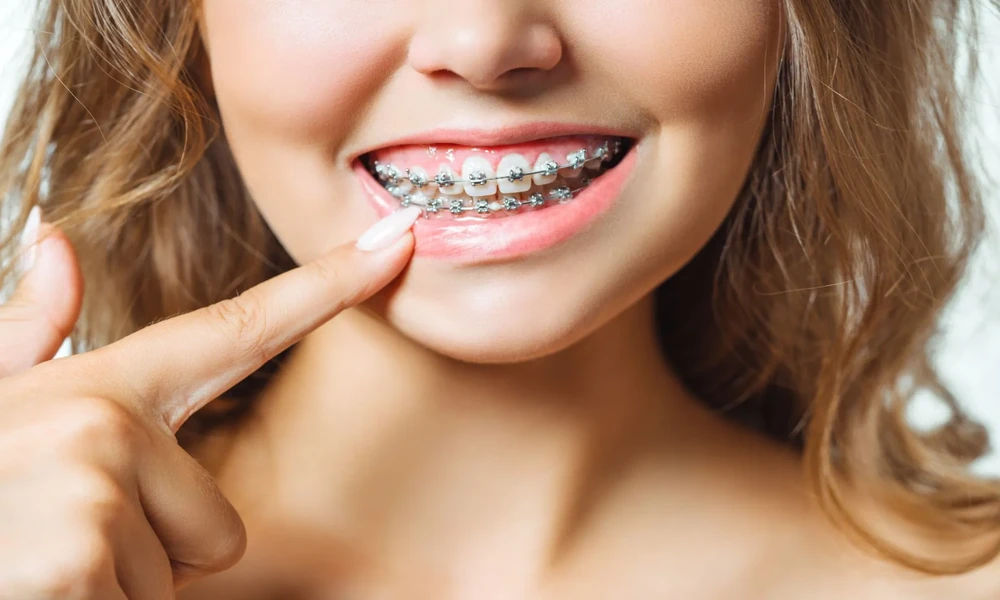
Traditional braces remain a common orthodontic option because they allow precise control over tooth movement. Brackets and wires apply carefully directed forces to gradually move teeth into better positions. Depending on the patient’s needs, braces may be suitable for crowding, spacing, bite irregularities, and more complex alignment concerns.
One advantage of braces is that they remain attached throughout treatment, so patients do not need to remember to insert them after meals. However, braces require consistent brushing and flossing, regular adjustment appointments, and care when eating certain hard or sticky foods.
Some discomfort can occur after braces are placed or adjusted, but it often improves as the mouth adapts. Following the orthodontist’s instructions and maintaining good oral hygiene can help patients manage treatment more comfortably.
Why Clear Aligners Appeal to Many Patients
Clear aligners offer a more discreet alternative for patients who prefer not to wear traditional braces. These custom-made trays gradually move teeth and can be removed for eating, drinking anything other than water, brushing, and flossing.
Their removability makes daily oral hygiene easier for many patients. However, aligners generally need to be worn for the recommended number of hours each day to work effectively. Forgetting to wear them consistently can delay progress.
Clear aligners may be appropriate for many mild to moderate alignment concerns, although suitability depends on the specific case. Some complex problems may be better managed with braces or another treatment approach.
A consultation helps patients compare the benefits, limitations, expected treatment duration, and costs of each option before making a decision.
Creating a Treatment Plan That Fits Each Smile
There is no single orthodontic treatment that works best for everyone. Factors such as dental alignment, bite concerns, age, lifestyle, oral hygiene, and personal preferences all influence treatment recommendations.
A personalized plan should explain the proposed approach, estimated timeline, expected appointments, and financial considerations. Patients should also understand whether retainers or additional procedures may be needed after active treatment.
By matching treatment to individual needs, orthodontic professionals can help patients pursue results that improve both the appearance and function of their smiles.
Using Myofunctional Therapy to Support Orthodontic Treatment
Understanding Oral Muscle Function
Myofunctional therapy involves exercises designed to improve the function and coordination of muscles involved in activities such as swallowing, tongue positioning, and lip closure. In selected cases, these exercises may complement orthodontic treatment by helping patients address certain oral habits or muscle-function concerns.
For example, an orthodontic professional may identify habits or functional patterns that could affect oral health or treatment planning. Depending on the situation, patients may be referred to a qualified therapist or another appropriate healthcare professional for additional assessment.
Myofunctional therapy is not a replacement for braces, aligners, or other necessary dental treatment. Its suitability depends on the patient’s individual needs and the professional recommendations provided.
How Complementary Therapy Can Help Patients
When appropriate, myofunctional exercises may support awareness of oral habits and encourage more coordinated muscle function. They may be incorporated into a broader treatment plan when a patient’s orthodontist and other qualified professionals believe they are beneficial.
Patients should receive clear instructions and realistic expectations about what the therapy can achieve. Results vary, and there is limited evidence for some claimed benefits, so treatment recommendations should be based on the individual’s clinical assessment.
A coordinated approach can help patients understand how orthodontic treatment and complementary care fit together. Regular follow-ups allow professionals to review progress and adjust recommendations when necessary.
Building Better Habits for Long-Term Oral Health
Good oral habits are important throughout orthodontic treatment. Consistent brushing, flossing, following appliance instructions, and attending scheduled appointments all contribute to a smoother treatment experience.
When a patient has specific muscle-function concerns, professional guidance can help determine whether additional exercises or therapy are appropriate. Families should avoid assuming that every orthodontic patient needs myofunctional therapy.
By focusing on individualized care and healthy daily routines, patients can support their orthodontic progress and maintain better oral health over time.
Addressing Bite Problems and Jaw Discomfort With Personalized Care
Recognizing Signs of Bite and Jaw Problems
Some patients experience jaw discomfort, headaches, clicking sounds, or difficulty chewing. These symptoms can have several possible causes, including temporomandibular joint disorders, muscle tension, or other health conditions.
Although bite alignment may be relevant in some cases, orthodontic treatment is not a guaranteed solution for TMJ disorders. Patients experiencing persistent pain, restricted jaw movement, or recurring symptoms should seek an appropriate professional evaluation to determine the cause.
An orthodontist can assess dental alignment and bite relationships and explain whether orthodontic care may be relevant. Depending on the symptoms, coordination with a dentist, physician, or other qualified specialist may be appropriate.
Exploring Treatment Options Based on Individual Needs
Treatment for jaw discomfort depends on the diagnosis and the factors contributing to the symptoms. Some patients may benefit from conservative measures or a treatment plan developed with their healthcare providers. Others may require additional evaluation before orthodontic treatment is considered.
Braces and clear aligners primarily address dental alignment and certain bite problems. They should not be presented as a universal treatment for TMJ disorders, and patients should understand the potential benefits and limitations before proceeding.
A thorough consultation allows patients to discuss their symptoms, dental concerns, and goals. This helps professionals recommend an appropriate course of action based on clinical findings rather than assumptions.
Coordinating Care for Better Patient Outcomes
Some dental concerns require input from more than one healthcare professional. When necessary, orthodontists may coordinate with general dentists or other specialists to help ensure that treatment decisions reflect the patient’s overall needs.
Clear communication can help patients understand which issues orthodontic treatment may address and which require separate care. This approach also supports realistic expectations about comfort, function, and the time needed to achieve results.
Personalized planning and ongoing monitoring help patients make informed decisions about their oral health while avoiding unnecessary or unsuitable procedures.
Improving Smile Confidence Through Ongoing Care and Patient Education
Making the Treatment Journey Easier to Understand
Starting orthodontic treatment involves more than selecting braces or aligners. Patients also need to understand the process, expected milestones, potential discomfort, and responsibilities that come with wearing an appliance.
Orthodontic practices can improve the patient experience by explaining treatment plans clearly, answering questions, and helping patients understand how daily habits affect progress. For younger patients, involving parents or caregivers can make it easier to follow instructions and maintain consistent oral hygiene.
Clear communication also helps patients recognize when to contact the practice about a broken bracket, a damaged aligner, unexpected discomfort, or other concerns.
Maintaining Progress Through Regular Appointments
Scheduled follow-up visits allow orthodontic professionals to monitor tooth movement, evaluate oral health, and make necessary adjustments. Attending appointments as recommended helps the treatment team identify concerns and respond when changes are needed.
Patients can support progress by following appliance instructions, keeping teeth and gums clean, and wearing aligners or other prescribed appliances as directed. Missed appointments or inconsistent appliance use may extend the treatment timeline.
Once active treatment is complete, retainers are generally recommended to help maintain the new tooth positions. Following the retention plan is an important part of protecting the results achieved during treatment.
Supporting Confidence Beyond Appearance
An improved smile can help some patients feel more comfortable in social and professional situations. However, the value of orthodontic care extends beyond appearance. Depending on the original concern, treatment may also improve tooth alignment and certain bite functions, making oral hygiene easier in some cases.
Patients benefit when they understand both the aesthetic and functional goals of their treatment. Realistic expectations, regular professional care, and healthy habits can help them appreciate their progress and maintain their results.
Through personalized treatment, patient education, and continued support, an orthodontic practice Roseburg patients choose can play an important role in helping individuals work toward healthier, more confident smiles.
FAQ
At what age should a child have their first orthodontic evaluation?
The American Association of Orthodontists recommends an initial orthodontic checkup by age seven. This allows an orthodontist to evaluate dental development and determine whether monitoring or treatment may be appropriate.
Can adults benefit from orthodontic treatment?
Yes. Adults can receive orthodontic treatment to address a range of alignment and bite concerns. The appropriate option depends on dental health, treatment goals, and the complexity of the case.
Are braces better than clear aligners?
Neither option is best for every patient. Braces may be preferred for certain complex cases, while clear aligners offer a removable and less noticeable option for suitable patients. An orthodontic evaluation can help determine the most appropriate treatment.
How long does orthodontic treatment usually take?
Treatment duration varies according to the complexity of the case, the type of appliance used, and the patient’s adherence to instructions. The orthodontist can provide an estimated timeline after evaluating the patient’s needs.
What should patients avoid eating while wearing braces?
Patients with traditional braces are generally advised to avoid hard, sticky, or chewy foods that may damage brackets and wires. Following the orthodontist’s dietary guidance can help prevent unnecessary repairs.
Does myofunctional therapy replace braces or clear aligners?
No. Myofunctional therapy focuses on certain oral muscle functions and habits. When appropriate, it may complement orthodontic care, but it does not replace orthodontic appliances when tooth movement is needed.
Can orthodontic treatment cure TMJ disorders?
Not necessarily. TMJ symptoms can have several causes, and orthodontic treatment is not a guaranteed cure. Patients with persistent jaw pain or restricted movement should seek a professional evaluation before deciding on treatment.
How can patients maintain their results after orthodontic treatment?
Patients are generally advised to wear retainers according to their orthodontist’s instructions, maintain good oral hygiene, and attend recommended follow-up appointments. These steps help reduce the risk of teeth shifting after treatment.
Useful Resources
- American Association of Orthodontists
- Centers for Disease Control and Prevention – Oral Health
- American Dental Association – MouthHealthy
- DentalCare.com – Educational Resources
- Myofunctional Therapy International
- National Institutes of Health – Oral Health Treatment
- Verywell Health – Orthodontic Treatment Overview
- Oral Health Group – Articles and Resources
