

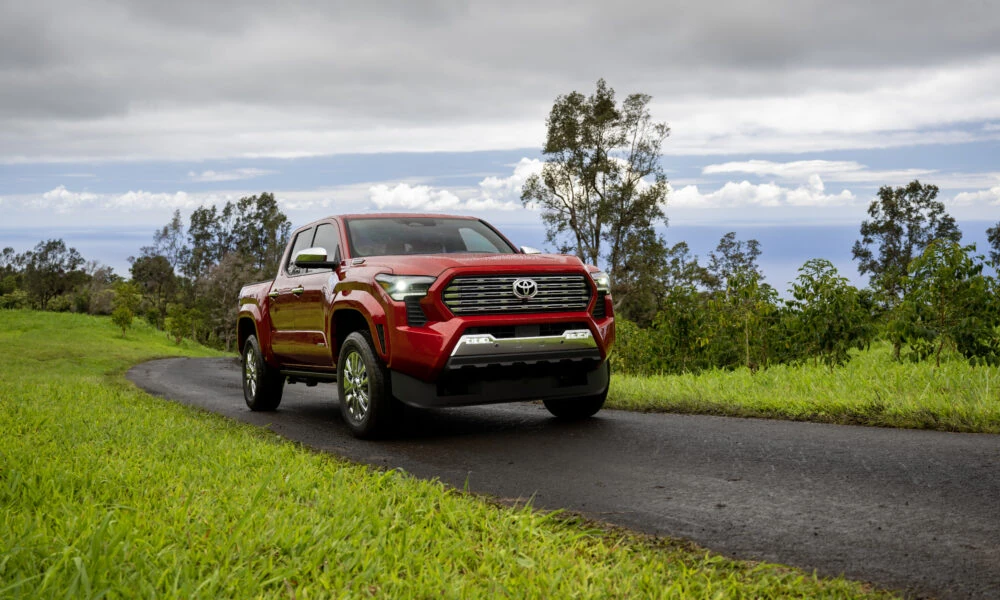
Daily driving patterns can reveal which features deserve closer attention before purchasing. The search for https://www.mavericktoyota.com/used-vehicles-san-diego/tacoma often reflects practical needs involving commuting, carrying items, passenger use, or occasional heavier duties. A suitable choice should fit regular routines rather than assumptions. Without a clear process, useful differences can easily be overlooked. Personal habits provide a better starting point for comparison. Matching available features to those habits can make decisions more practical.
Start with Daily Driving Patterns
Regular journeys provide useful clues about suitable equipment and configuration. Consider road types, passenger numbers, carrying needs, and driving frequency. A clear record prevents decisions based only on appearance.
Important Points
- Note regular distances before comparing available transportation choices.
- Record passenger numbers during typical weekday journeys.
- Consider parking conditions around home and work locations.
- Identify common carrying duties before reviewing storage arrangements.
These details create a practical starting point for further comparison.
Consider Typical Road Conditions
Road conditions can influence which features receive greater attention. Frequent paved driving may require different priorities than regular use across rough surfaces. Parking areas also affect maneuvering needs. Narrow spaces can make visibility and control placement more important.
Weather can change surface conditions throughout the year. Rain may create standing water or slippery sections. Dry conditions may produce dust and loose material. These changes should be considered before choosing suitable equipment.
Review Passenger Requirements Carefully
Passenger needs can change the amount of available carrying space. Regularly carrying several occupants may reduce room for personal belongings. Families may require easier rear seating access. Solo drivers may place greater value on storage arrangements.
Main Considerations
- Count regular occupants before assessing available interior arrangements.
- Check rear seating space during a practical inspection.
- Consider entry points for passengers needing easier movement.
- Review storage room after accounting for expected occupants.
Passenger requirements should remain part of every comparison process.
Assess Carrying Habits Before Choosing
Carrying needs often differ between workdays and personal activities. Some drivers transport small items regularly. Others may carry larger equipment several times each month. Measuring common loads gives clearer guidance than estimating space from appearance.
Weight also deserves attention when carrying heavier belongings. Storage room alone does not determine suitable capacity. Weight limits should be reviewed alongside available space. The https://www.mavericktoyota.com/used-vehicles-san-diego/tacoma listing can support a closer comparison of available configurations.
Build A Simple Evaluation Process
A consistent review method helps reduce guesswork during purchasing decisions. Begin by recording normal driving patterns. Then identify the features directly connected to those routines. Afterward, compare available choices using the same criteria.
Useful Actions
- Write down common destinations before reviewing available configurations.
- Record average passenger numbers across regular weekly journeys.
- Measure frequently carried items before judging storage needs.
- Check expected mileage before considering ongoing ownership expenses.
A simple record keeps comparisons focused and easier to repeat.
Frequently Asked Questions
- What should be reviewed before selecting a suitable option? Start with mileage, passengers, storage needs, road conditions, and regular duties.
- Does daily distance affect equipment priorities? Yes. Frequent driving makes seating, controls, maintenance, and operating costs more important.
- Should storage capacity receive attention? Yes. Regular carrying duties require enough usable room for expected belongings.
- Do passenger numbers affect selection? They can. More occupants may reduce available space for stored items.
- Should future needs influence the decision? Reasonable flexibility helps, but current requirements should remain the primary reference.
- Why compare features against personal habits? It helps identify useful equipment while reducing spending on unnecessary additions.
Practical Selection Starts with Habits
Personal driving patterns provide a reliable basis for evaluating available choices. Start with actual routines instead of assumptions about what might be needed. Review passenger use, carrying duties, road conditions, mileage, and parking requirements together.
Then compare equipment according to those findings. Check ownership costs before making the purchase. Repeat the review after narrowing the options. A steady process keeps attention on practical suitability rather than appearance or unnecessary additions.
