

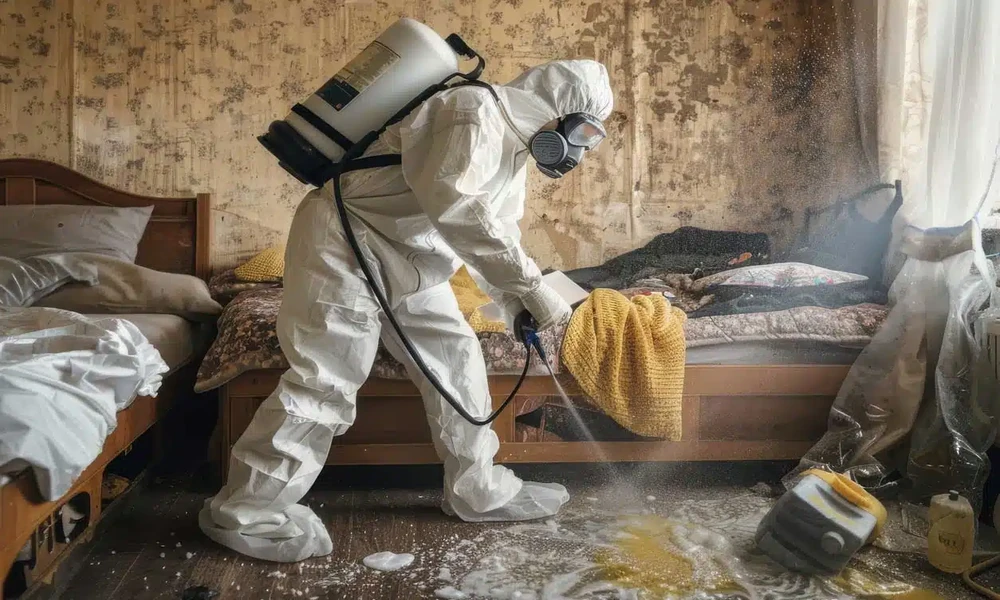
A mop, a bucket of hot water and a strong bottle of bleach can make almost any room look clean. That is exactly the problem. When the mess involves blood, bodily fluids, sewage, decomposition or heavy animal waste, the surface can look spotless while the real hazard sits underneath, inside the carpet pad, between floorboards or in the pores of drywall. The gap between looking clean and being safe is where ordinary cleaning ends and remediation begins.
Families, landlords and business owners asking about St Paul biohazard cleanup often reach a local crew headquartered on County Road C West, one that has worked through the Twin Cities and western Wisconsin for over fifteen years. Its IICRC certified technicians answer around the clock, the company bills insurance directly, and it treats this kind of work with the discretion it deserves. Whoever does the work, though, the job should look very different from a cleaning visit, and knowing those differences helps anyone judge whether a situation is safe to handle alone.
The Goal Is Not the Same
A cleaning service aims for appearance and freshness. The room should look tidy, smell pleasant and feel ready to use. Remediation aims for something harder to see. The target is removing or neutralizing pathogens so the space is no longer a health risk, which sometimes means the room looks worse before it looks better, with flooring pulled up and drywall cut away.
That shift in goal changes everything downstream. A cleaner stops when the stain is gone. A remediation crew stops when the contamination is gone, and those two moments rarely happen at the same time.
Surfaces Versus Everything Beneath Them
Liquids travel. Blood or fluids that land on carpet move through the fibers into the pad, across the tack strip and down into the subfloor. On hardwood they slip between boards. On a mattress or upholstered chair they reach the foam core, where no amount of surface scrubbing will follow.
A deep clean treats what can be reached with a cloth or extraction wand. Remediation follows the liquid wherever it went. Technicians probe, lift and cut until they find clean material on every side of the affected area. Porous items that absorbed contamination are usually removed and disposed of rather than saved, while hard, nonporous surfaces such as tile, metal and sealed countertops can often be cleaned and disinfected in place.
Bleach and Hospital Grade Disinfectants Behave Differently
Household bleach is a decent disinfectant on a clean, hard surface, but it loses much of its strength in the presence of organic material like blood. It also does nothing for contamination that has soaked into wood or drywall.
Professional crews work in a set order. They remove gross contamination first, clean the surface with a detergent so disinfectant can actually make contact, then apply an EPA registered disinfectant and leave it wet for the full contact time printed on the label. Skipping straight to the spray bottle, the most common shortcut, is how hazards survive a cleaning that looked thorough.
Protection Is the Starting Point
A house cleaner typically wears gloves. A biohazard technician dresses for exposure, with disposable coveralls, eye protection, double nitrile gloves, boot covers and a fitted respirator. Workplaces where staff may contact blood fall under federal rules, and the OSHA bloodborne pathogens standard lays out requirements for protective equipment, training, vaccination and exposure control plans for those workers.
The reason is simple. Viruses such as hepatitis B can remain infectious in dried blood for days, so a stain that has been sitting since last week is still a risk.
Containment Keeps It From Spreading
Cleaning moves through a home freely, room to room. Remediation sets boundaries. Crews usually mark off a contaminated zone, a decontamination area where suits and tools are removed, and a clean zone beyond it. Plastic sheeting, sealed doorways and air scrubbers help keep particles and odors from drifting into the rest of the house.
This step matters most in multi unit buildings and in homes where family members are still living a few rooms away.
Waste Has Somewhere Specific to Go
Trash from a normal cleaning goes in the curbside bin. Contaminated materials from remediation are bagged in marked containers and handled under Minnesota’s infectious waste rules, which govern how this material is packaged, transported and disposed of. Sharps such as needles go into puncture resistant containers. Dropping blood soaked carpet in a dumpster behind the building is not just unpleasant for the next person, it can be a violation.
Odor Is a Clue, Not a Finish Line
Air fresheners and scented sprays cover smells. After an unattended death, a hoarding situation or a long term animal waste problem, odor is often a sign that contaminated material is still present somewhere. Remediation treats it at the source first, then uses thermal fogging, hydroxyl generators or ozone treatment in an empty space to break down what remains in the air and in porous building materials.
If a smell returns on the first warm day after cleaning, something was left behind.
Proof That the Job Is Done
A cleaning is judged by eye. Many remediation companies go a step further and verify results, using ATP testing that detects organic residue on surfaces, along with moisture readings and a final walkthrough. Documentation with photos also supports insurance claims, which matter here because homeowners policies often cover trauma cleanup, and Minnesota’s crime victims reparations program may help with cleanup costs after a crime.
Situations That Cross the Line
A small, fresh spill on a hard surface can often be handled safely with gloves and the right disinfectant. These situations usually call for trained remediation instead.
- An unattended death, even one discovered quickly
- Blood that has reached carpet, upholstery, mattresses or subfloors
- Sewage backup inside living spaces
- Hoarding with rotting food, pests or animal waste
- Needles or drug paraphernalia left behind in a property
- Rodent infestations with heavy droppings or nesting material
- Any scene connected to a crime, after police have released it
The Human Part of the Work
One final difference rarely shows up on a service list. Remediation crews often step into the worst day of someone’s life. Good teams arrive in unmarked vehicles when asked, sort personal belongings carefully, set aside photos, documents and keepsakes for the family, and explain each step without pressure. A cleaning company may be excellent at its own job, but this part requires a different kind of training and a different temperament.
The simplest way to tell the two apart is to ask what happens to the material that cannot be seen. If the answer is nothing, it is a cleaning. If the answer involves testing, removal, containment and proper disposal, it is remediation.
